19 May 2006

Practicing Tokyo @ Ypenburg (Netherlands)

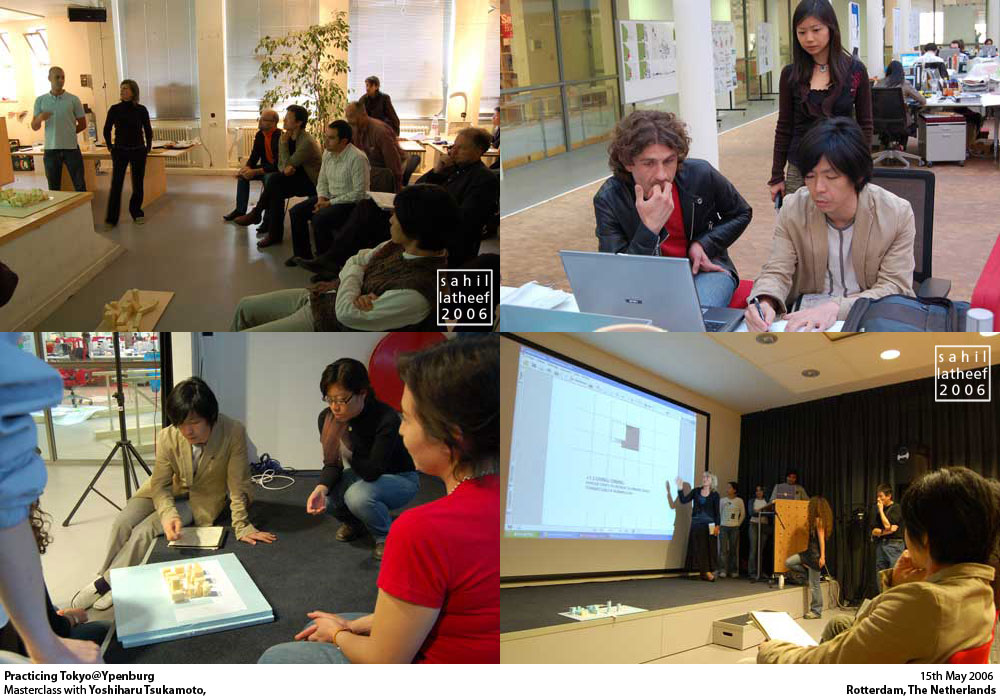
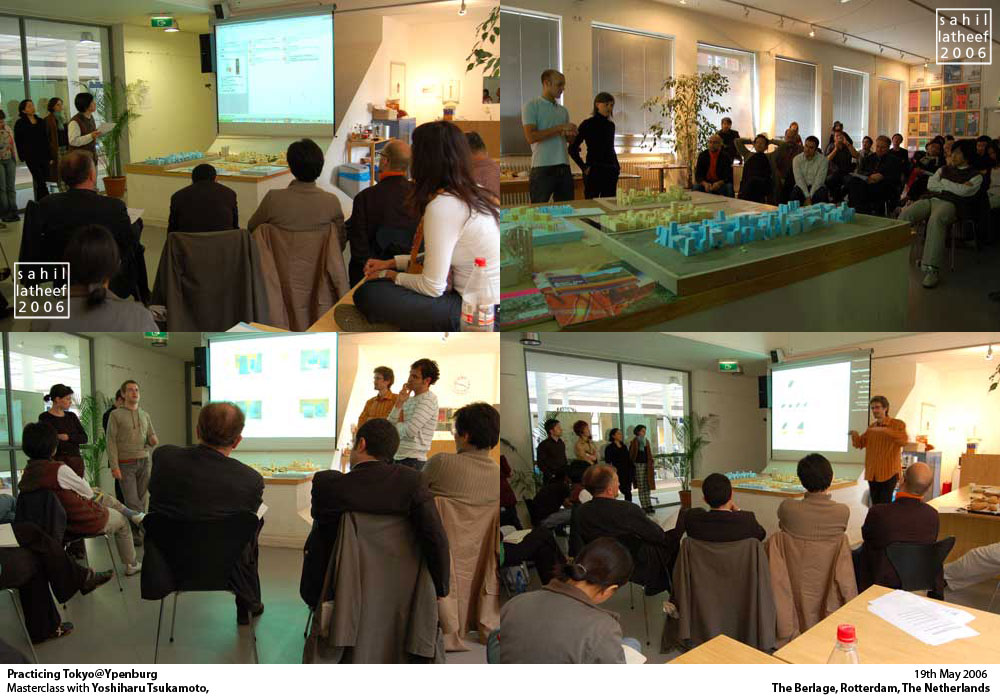
Starting the 15th of the month till today we had a Master class (Intense Workshop) with Yoshiharu Tsukamoto (Principle of Atelier Bow-Wow, Tokyo and professor at the Tokyo University of Technology).


The studio explored what using Japanese Building regulations could generate in a generic Dutch Suburb. The site chosen was Ypenburg a thematically developed suburb in the outskirts of The Hague.

Besides using Japanese Regulations the studios basic aim was to triple the density of Ypenburg. We relied strongly on Tsukamoto’s own practise and his approach towards similar constraints in Tokyo.


found the format of the studio and it’s functioning extremely interesting, with quiet a few new faces from other schools and countries joining us for this. The intensity was amazing; it still is surprising to me the quantity of work that was produced and last but not the least I got to meet some great people, looking forward to the next Master class.

15 May 2006

Weekend in London


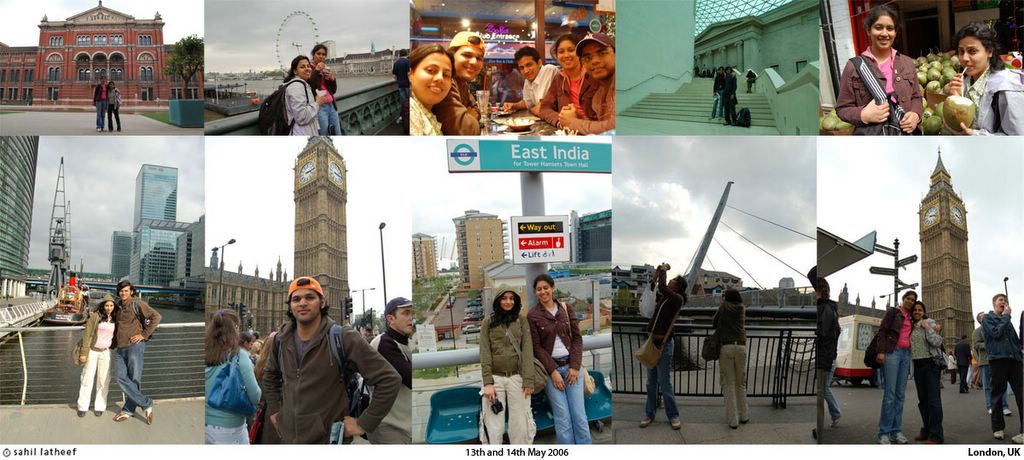
Just back from a quick trip to London. It’s great to have old friends here – it’s sort of like going home. (Above photos with KRVIA people in London)

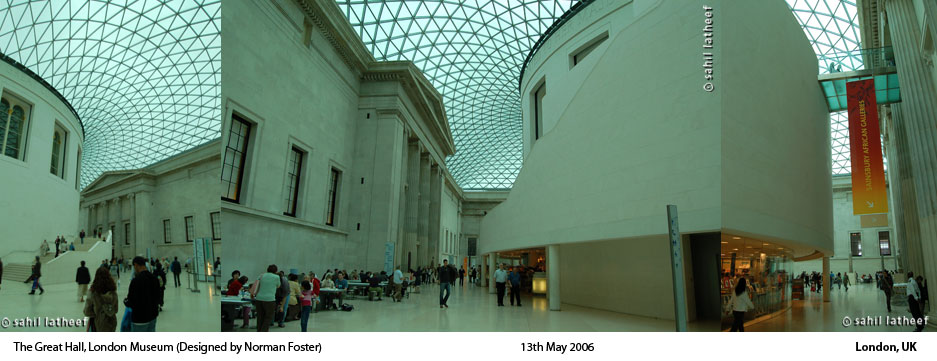
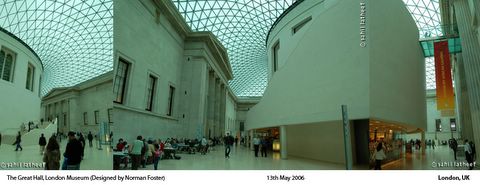
So as soon as I met Neha we tried going to AA bookshop to pick up some books but the store was closed so we sneaked in a few minutes at the British Museum. Actually we had only time to appreciate Fosters amazing roof for the Great Hall.
After that I decided to go check out some new stuff in the city, and high on my list since a while was to see the whole Eastern Docklands development and all the new stations in the area (especially in light of the studio I am currently doing at the Berlage).

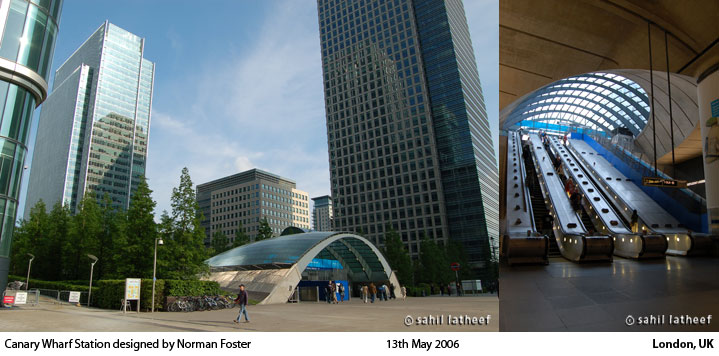
Below is the main station at Canary Wharf yet again designed by Norman Foster (in sort of his usual aesthetic). The station is mainly about the main entrance hall the picture on the right but I have to say that the materials and the light quality is very nice, unlike most Dutch architects Foster’s architecture doesn’t question what one already knows it merely gives it a clean corporate look, and as far as he doesn’t claim that it does more I guess I like it – Brutally efficient and pleasing.
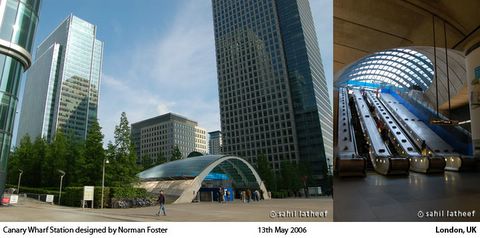
Over the past twenty years the London Docklands (as this area is popularly known as) with Canary Wharf in the centre has developed into one of Europe's biggest clusters of skyscrapers and direct challenge to the financial dominance of the City of London.

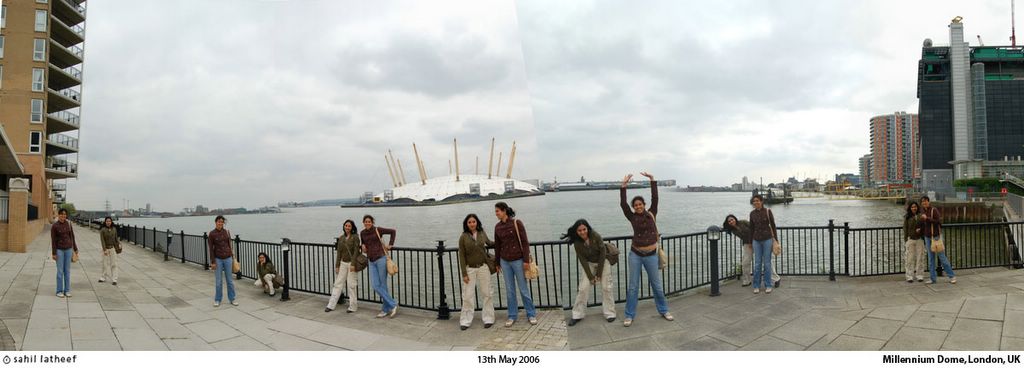
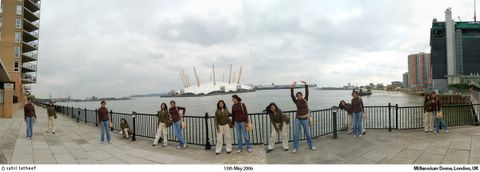
However, along the way they made a few blunders in this huge project the most visible one being the Millennium Dome. Today is almost no better than a nice background for movie, ads and touristy postcards. So here’s one to that spirit.

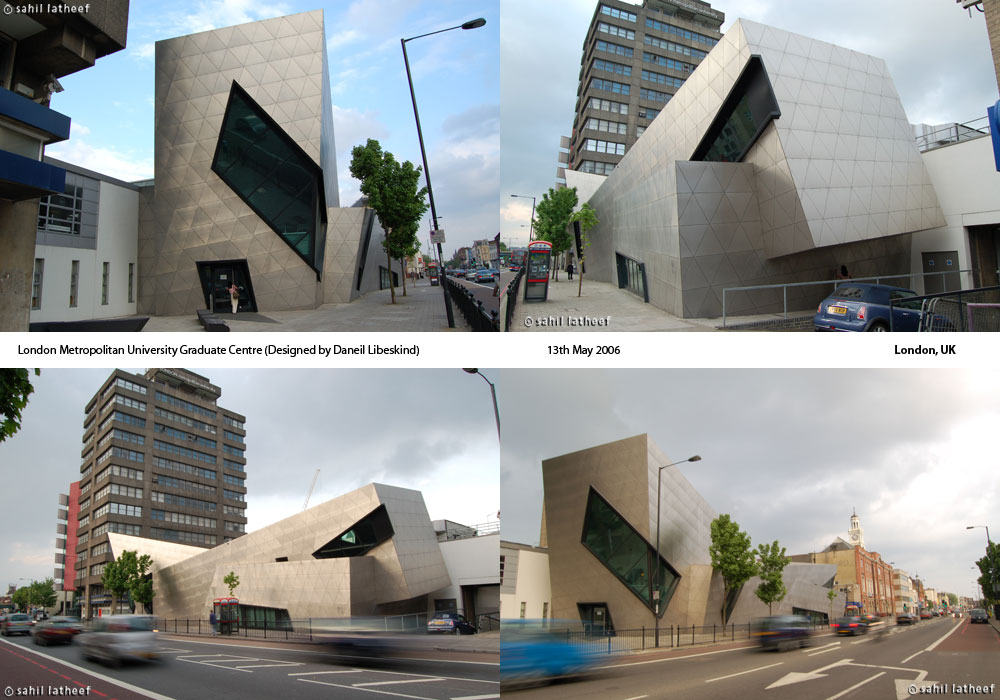
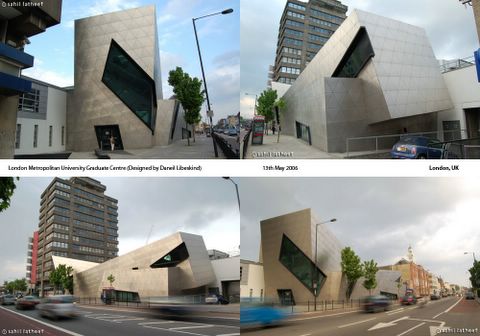
After the Docklands, I headed for Holloway Road to check out the London Metropolitan University Graduate Centre designed by the sensationalist architect Daniel Libeskind. He designed this building sort of fresh from his heroics of the Jewish Museum, Berlin and this building clearly shows a hangover. Read what he has to say about it himself on his website - http://www.daniel-libeskind.com/projects/pro.html?ID=44

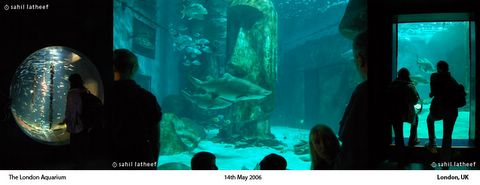
The Next day besides going to see the Baishakhi Mela (Bangla New Year Festival) at Brick Lane (read more about it here - http://www.visitbricklane.com/baishakimela/index.php); I went to see the London Aquarium near the Thames. Though I was a bit disappointed at the collection and the general layout of the spaces I have to say that the big shark tank was quiet nice. Probably just making it worth one visit.
And lastly I saw yet another piece of Architecture by Norman Foster. This time an airport, the Stansted airport and again I would have to use the same words as in the Canary Wharf station to explain this project – Efficient, simple and pleasing. (Check more about this and previous mentioned projects on his website - http://www.fosterandpartners.com/)


09 May 2006

Mid Term Review


After a week of frustrating days and sleepless night. We just managed to finish enough work to have a mid term review.

I have to admit that the work (at least of my group) could, in fact should have been better.

The studio for some reason doesn’t have a focus; the problem at hand - i.e. designing the high speed train station at South Axis, Amsterdam (Zuidas as they like to call it here) – has more to it than just a well designed station. And I constantly feel a disbelief in most students (including myself) in the idea that an architect can solve the problems of the strange master plan and weird political situation of this ‘New City Centre’. I guess the below picture shows exactly that same worry on the faces of most Jury members.


But to be fare to the tutors I have to say that it is not an easy problem to digest let alone to find a solution too. And I have to admit its nice to have a room full of some of the top architects in Europe trying to help us figure this one out.

In the picture above from left to right in front row – Vedran Mimica (Asst. Dean Berlage), Sylvia Lavin (American Architectural Critic and Greg Lynn’s wife), Ben Van Berkel (Namesake Tutor and Director of UN studio), Alejandro Zaera Polo (Dean Berlage and Director FOA), Jaap (Project Leader Zuidas station OveArup London) and I don’t remember the lady in front. In the second row Caroline Bos (Art Historian UN Studio), Olaf Gipser (Main Studio Tutor), official from Asmterdam, Caroline (Architect with OveArup London).

29 April 2006

Queen's Day (Amsterdam)

Today the streets of Amsterdam was coloured 'Orange' in celebration of Queen's Day.

Queen's Day is basically an excuse to Party. The whole city was like a giant concert with streets full of crazy dancing people. An event worth visiting once atleast (and many times if you are a beer-fan).

15 April 2006

Cubes and Kunsthal

Day 6 -

Last day of traveling, I need to get to work now for all the projects and reviews that are coming up. So once again a bit of Rotterdam seeing.

Here's what the Cube houses look like on the insides (Inside the courtyards and inside the units).

One of the units is now a Museum, I have only two things to say about them -1. It's bigger that it looks from the outside 2. It's extremely disappointing.

The house inside is extremely conventional and the architect didn't in any way use the potential of the inclined surfaces to make the house experientially interesting. It an ordinary crammed house but with inclined outer walls. Simply saying boring.

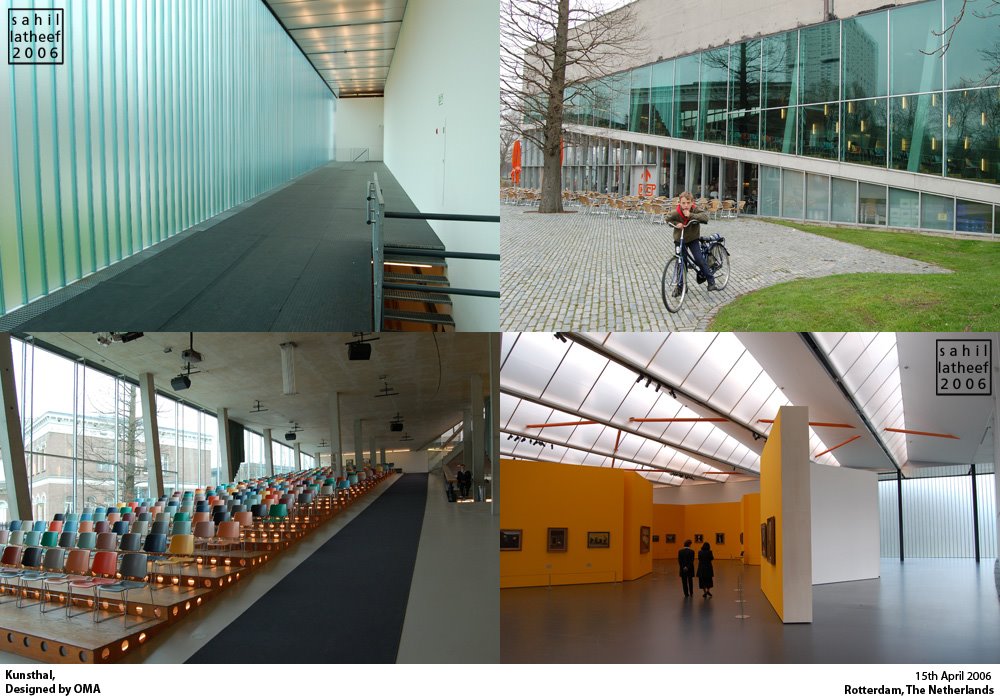
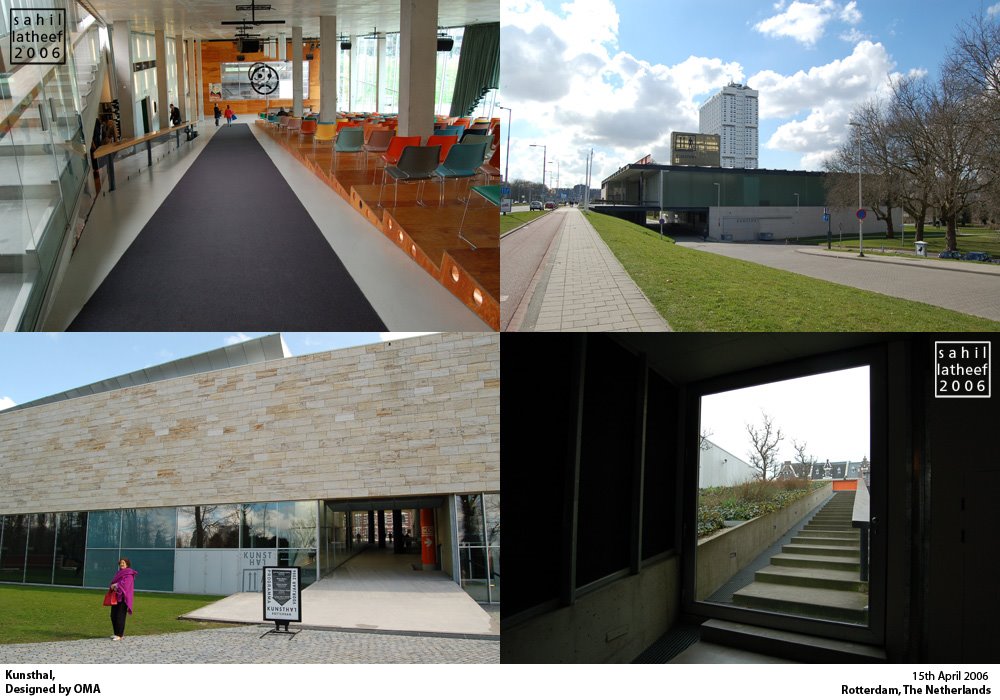
And lastly, yet another great OMA project- Kunsthal - buildings like this makes me think that Rotterdam is a great place after all.

In this building of Galleries Rem and his team at OMA explore new spaces and experiences through very simple techniques.

However, the most interesting element of the building is the fact that the building itself is almost cut into two halves by a public street that passes through it connecting the Museum park behind it to the main street in front of the building.

By this simple juxtaposition of two extremely contradicting functions the building has a strange dialogue with its context.

A Google map tracing my travels across the globe


View Larger Map
  • In Red cities where I have lived (more than one month);
  • In Blue cities that I have visited